
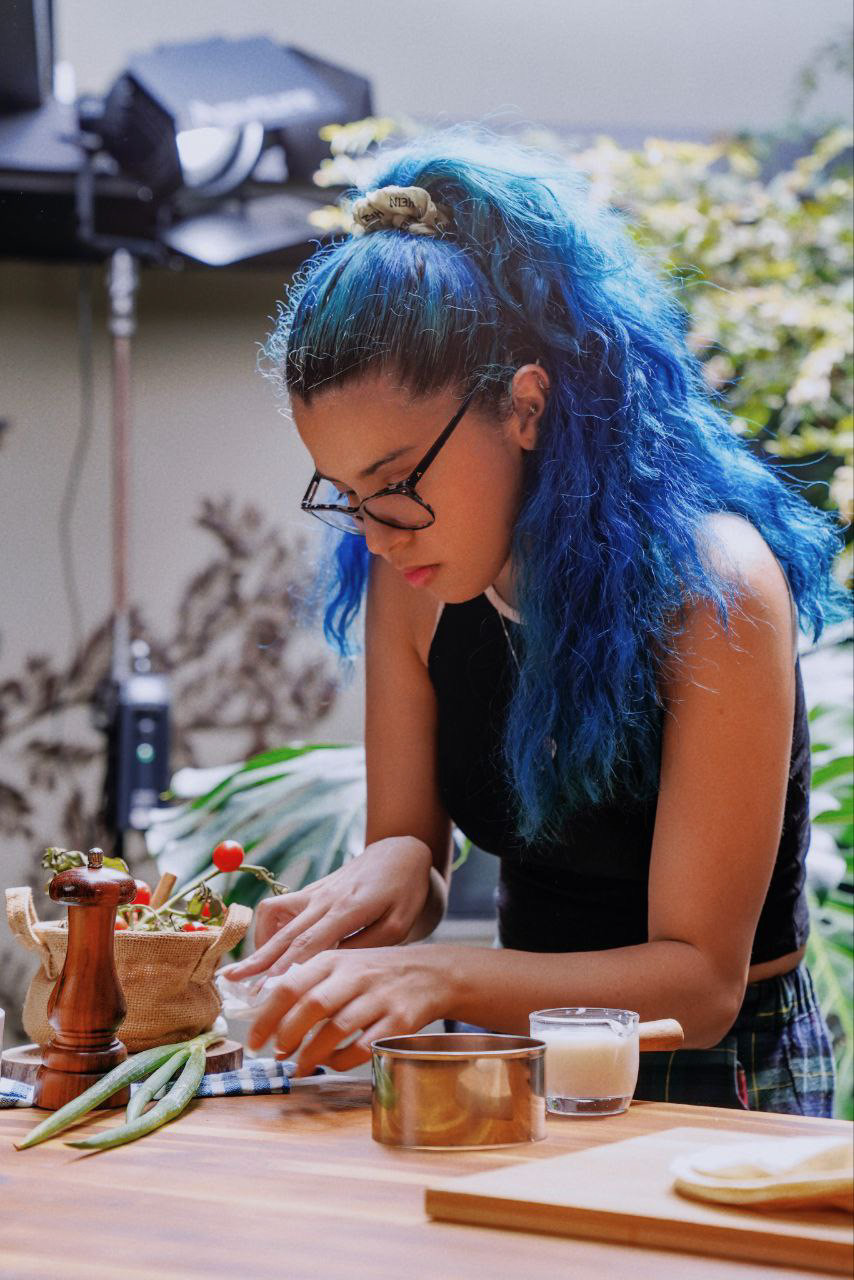
Art Director Amanda Lira
SKYIE Magazine: Hello Amanda! It’s an honor to have you with us!
Amanda Lira: Thank you for the invitation!
SMAG: To start, could you tell us a bit about your relationship with art during your childhood, and what was the main factor that led you to pursue a career as an art director and in cinema?
AL: I think, well, I’ve always had very clear ideas of what I didn’t want to do. I never saw myself working in an office, being a lawyer, or being a doctor. My father, for example, is military, so he always wanted me to do something more stable; he wanted me to become an engineer. But I was never interested in math or exact sciences. I was always good at Portuguese, I excelled at arts. I liked doing different things. At school, if we had to organize a theater party, while everyone else was working hard because they needed grades, I was committed because it was the only opportunity I had to be happy doing something at school. So, these details showed me that I wanted to work with arts. But at the time, I didn’t know I could do cinema or that cinema could be a career.
SMAG: And how did you discover that you could actually work in cinema?
AL: I discovered it was a real job by reading a book in 2014! It’s called "Fazendo o meu filme", and the main character was a filmmaker. That opened my mind. I thought, “Oh my God, I can make films? Is this real? People actually do this as a job?” That’s when I decided that this would be my profession. All my teachers said, “But you don’t have money.” And I would say, “No.” They’d ask, “Why are you going to do this?” And I always responded, “Because I like it, because I want to!” My parents supported me a lot when I told them what I wanted.
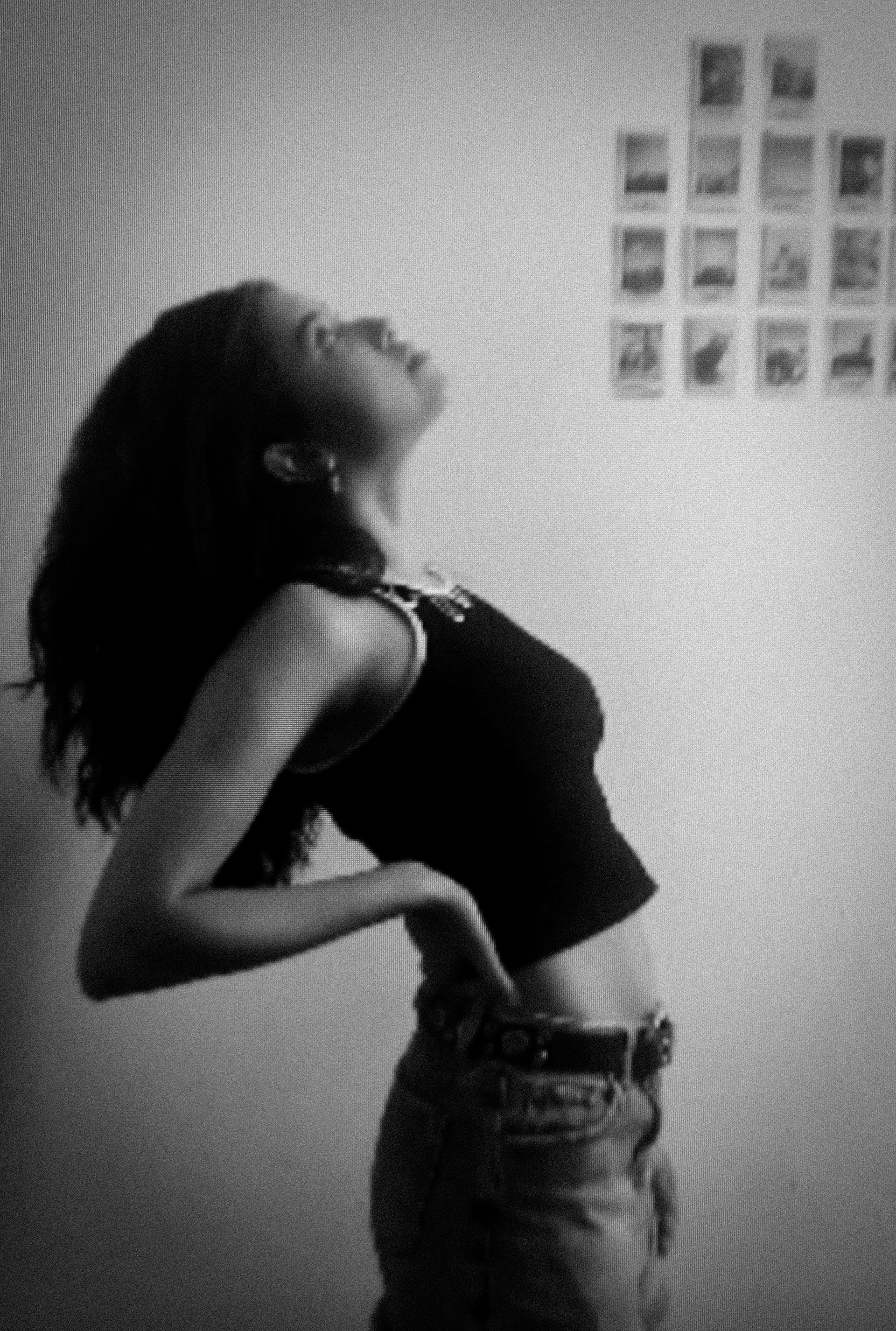
SMAG: It’s amazing and very reassuring to know that your parents supported you, even when everyone around you said it wasn’t possible or tried to discourage you. From the moment you decided and had your parents’ support, what was the biggest challenge, in your opinion, to entering college? Between the moment teenage Mendy decided what she wanted and actually starting it, what was the hardest part for you?
AL: I think it was the fact that in the city where I lived, there was no college. I had to take the ENEM for a nearby city, the only one that offered cinema, making this course one of the most competitive—more than medicine, actually. I worked really hard to try to pass. Unfortunately, I didn’t.
I was accepted into Cultural Production, which was an interesting course, somewhat similar, but it wasn’t what I really wanted. I panicked because I didn’t see myself taking the ENEM again. So I started looking for options elsewhere, calling private colleges to ask if they could offer a scholarship.
Through those contacts, I found one near where I live now, and they gave me a 50% scholarship. Then I just had to figure out how to present this proposal to my parents. My mom thought I would do Cultural Production in the college just an hour and a half away from home, and suddenly I’d have to move somewhere three hours away. Commuting every day was impossible.
So I made a full presentation: the college I wanted, the cost with the scholarship, the rent I found, travel expenses, a complete budget, and a spreadsheet with all the data. I went to them and asked, “Will you support me?”
SMAG: That’s incredible! A truly determined teenager!
AL: I explained to them that it was necessary for me as an artist, as a person, to leave my hometown. I love it now, but back then I felt suffocated; it felt too small for me. College was my big chance. My mom hated it and didn’t speak to me for a week. She said I couldn’t go, but I had already enrolled because my dad allowed it. Later, she understood that this was what I needed to do, and today she supports me a lot. She just gets a little sad when I visit and have to go back home.
SMAG: What a proud moment! And it’s understandable to feel your mother’s initial reaction—after all, an 18-year-old moving far away is difficult. But it’s great that she understood and supported you alongside your father. Are you still in college, or have you finished?
AL: I finished in 2022.
SMAG: During your studies, which area interested you the most?
AL: Art direction. Without thinking twice.
SMAG: Why? What is it about art direction that attracts you so much?
AL: I remember entering my first art direction class. My teacher was one of the craziest teachers I’ve ever had in my life, very wild. I sat in the front row; he showed a film from German Expressionism, and I looked at it and thought, “How did they make such incredible sets back then?” My eyes lit up, and I decided that’s what I wanted to do.
He spoke with so much passion that I thought, “I want to have this passion too.” I want to learn more about it. Until then, I wanted to go into editing. I interned in editing for a while. Now, I hate it. Sitting still bothers me. I like moving, doing things, being in the chaos on set—people shouting, talking nonsense. I like picking objects, transforming them, and placing them in the scene.
Here in Brazil, resources are limited, so we recycle a lot. There’s even research on how art direction is crucial in recycling and helping the environment because we reuse and transform so many things.
SMAG:
Interesting. You enjoy the movement, the chaos. I love when an artist says that—embracing the madness. Currently, where are you working, and what are your projects?
AL: I currently work at a multinational. It’s a web media company, mostly advertising. Cinema is very difficult to break into here. My area is already hard in advertising, and cinema is ten times harder.
SMAG: And how do you feel about it?
AL: I accepted the challenge. I thought it gives me the opportunity to do other cool things. Occasionally, we get interesting projects, like producing props for an interview with Wagner Moura. If it’s an opportunity, I dedicate myself to learning and giving my best.
I started as a food art production assistant. Then I joined a project, and now I’m the company’s art director.
SMAG: I love the idea that when we do what we need and give our best, keeping our goals in sight, opportunities come. Doing 100% opens doors.
What’s interesting about you is that you make your own path. When doors don’t open, you create windows. That needs to happen. Among all your projects, which one did you enjoy the most?
AL: I’m really proud of the documentary I made in college about drag queens. I remember being 18, spending nights at clubs interviewing drag queens, learning about this artistic culture because I wanted to make a documentary that was explanatory for people who had never seen it—to understand this art.
I spoke with so many amazing people who shared the same passion. They didn’t have much, but they performed! I went to drag contests, and I think it’s incredible. I love my documentary. I’m so proud, even though I couldn’t release it due to music copyright issues.
SMAG: That’s incredible! If you can’t release it visually, maybe publishing it in written form as an article is an option. People could see your research and work—your art is really wonderful, and many don’t understand it yet.
AL: Yes! That’s a great idea. If I can’t publish it visually, maybe I can use some excerpts in writing.
SMAG: You mentioned being comfortable talking about bipolarity. When was your diagnosis?
AL: It was recent, actually. During the pandemic. I had a very strange crisis. Even before the pandemic, I was starting to have different episodes. In my first job interview, I had a horrible breakdown, crying for more than two hours. I questioned if this had happened before—and yes, it had. I started seeing a psychologist. At first, we thought I had ADHD, then something else. Several diagnoses came up.
During the pandemic, I had daily crises. I continued studying online, but I thought, “How can I learn online? How can I direct actors or do photography classes online?” It was terrifying. I finally saw a psychiatrist recommended by my psychologist. Many diagnoses came up: borderline, polar disorder, and others. Finally, they got the diagnosis right. Initially, it was scary. The psychiatrist said borderline with polarity; I didn’t understand and wondered if I was a monster. That’s what you read online—like you’re one of the worst people. But from there, I started understanding my individuality and how to manage myself. It’s a big learning process.
SMAG: So through research, you began to know yourself better within the diagnosis?
AL: It’s still a learning process—understanding how I function, how far I can go. Friends also needed to understand. People thought I didn’t want to hang out, but I was depressed. It’s about explaining to others and helping them understand. I know I have a disorder, and I need to handle it responsibly.
SMAG: And for your parents? How was it for them to receive the diagnosis?
AL: It’s very hard for them too because they don’t fully understand. My mom still doesn’t understand, which makes crises more difficult because they react strongly. I understand that they worry because I start having a crisis and saying things, and they panic and argue back. It’s not good for me; it makes it worse. So everything has to be talked through—it’s difficult. But I believe that the more you talk about it and share, the more people start understanding you.
SMAG: The important thing about a medical diagnosis is that it brings answers. For your parents, it must be complicated due to the generational gap. For older generations, it’s harder to understand and process, and I imagine it’s also scary because they don’t know how to help.
Within your work in cinema and your diagnosis, do you think that what you do, your passion for art, helps you manage the disorder in some way?
AL: My work helps me self-regulate. For example, vacations are very complicated for me. During the holidays, I often struggle because it’s a period when I don’t have work. I traveled last month, and I had many crises during the trip because I wasn’t working.
So, I need to work to regulate myself. I need to be constantly busy; if I stay at home depressed, I can’t do anything. I need to go to work, wake up, and follow my routine; otherwise, I’ll stay all day in bed doing nothing. Being at work helps me manage my world. Work keeps my crises more controlled, because my mind is focused elsewhere. Doing art is my means of self-regulation.
SMAG: That makes sense. I always like to ask about this because it’s not only the foundation of the magazine but of my own art as well.
AL: Yes, exactly. I need to be in motion, doing what I love. Sometimes I feel like advertising stifles me as an artist because I have to work within constraints. But I do it. Even just thinking about how I will style a plate for a shoot or compose a scene for a photo or video completely pulls me out of my darker thoughts. It helps a lot. The films I made during the pandemic, in my worst moments, were always dark, very expressionist. Heavy makeup, intense sets, dramatic themes. I drew on that darkness in my work.
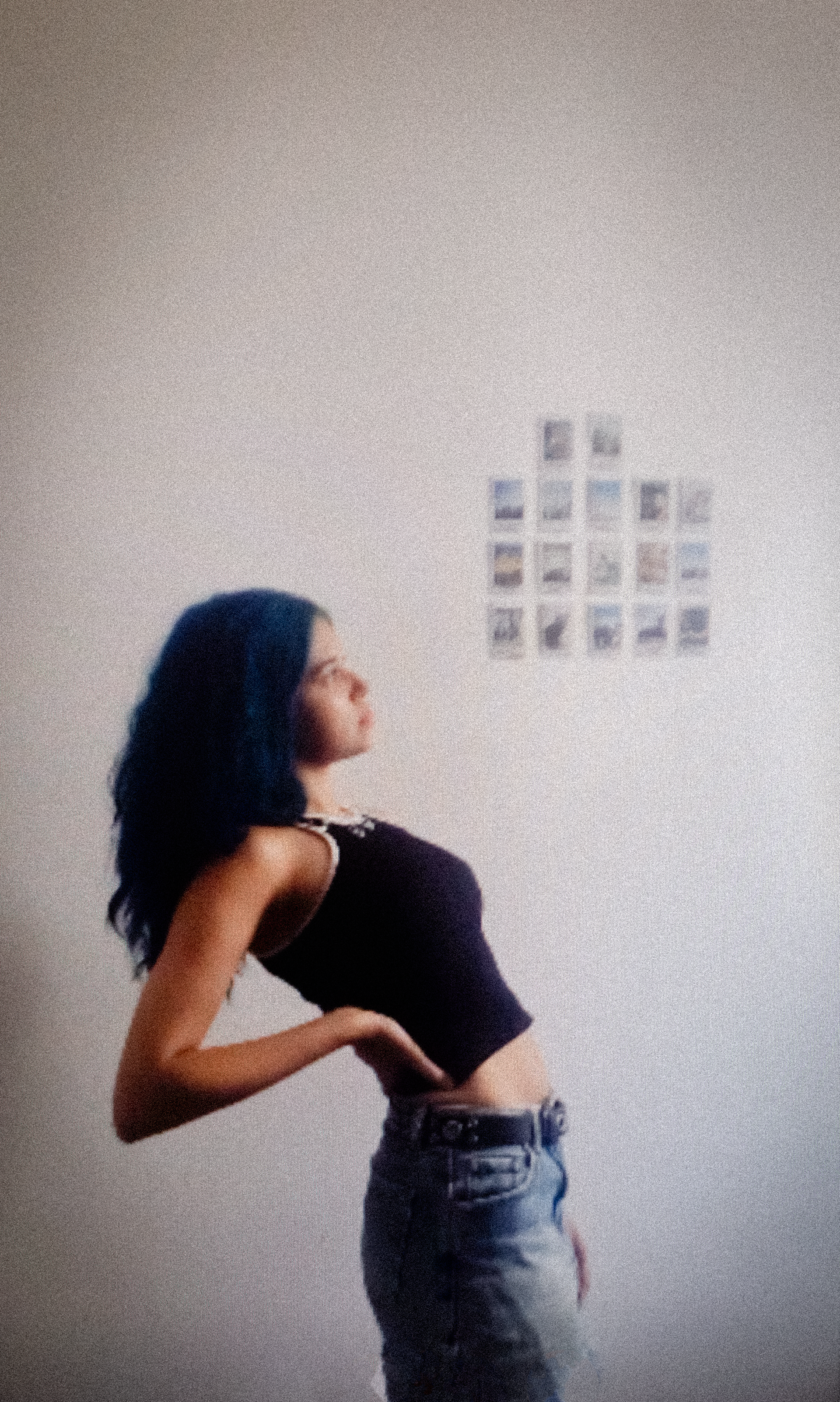
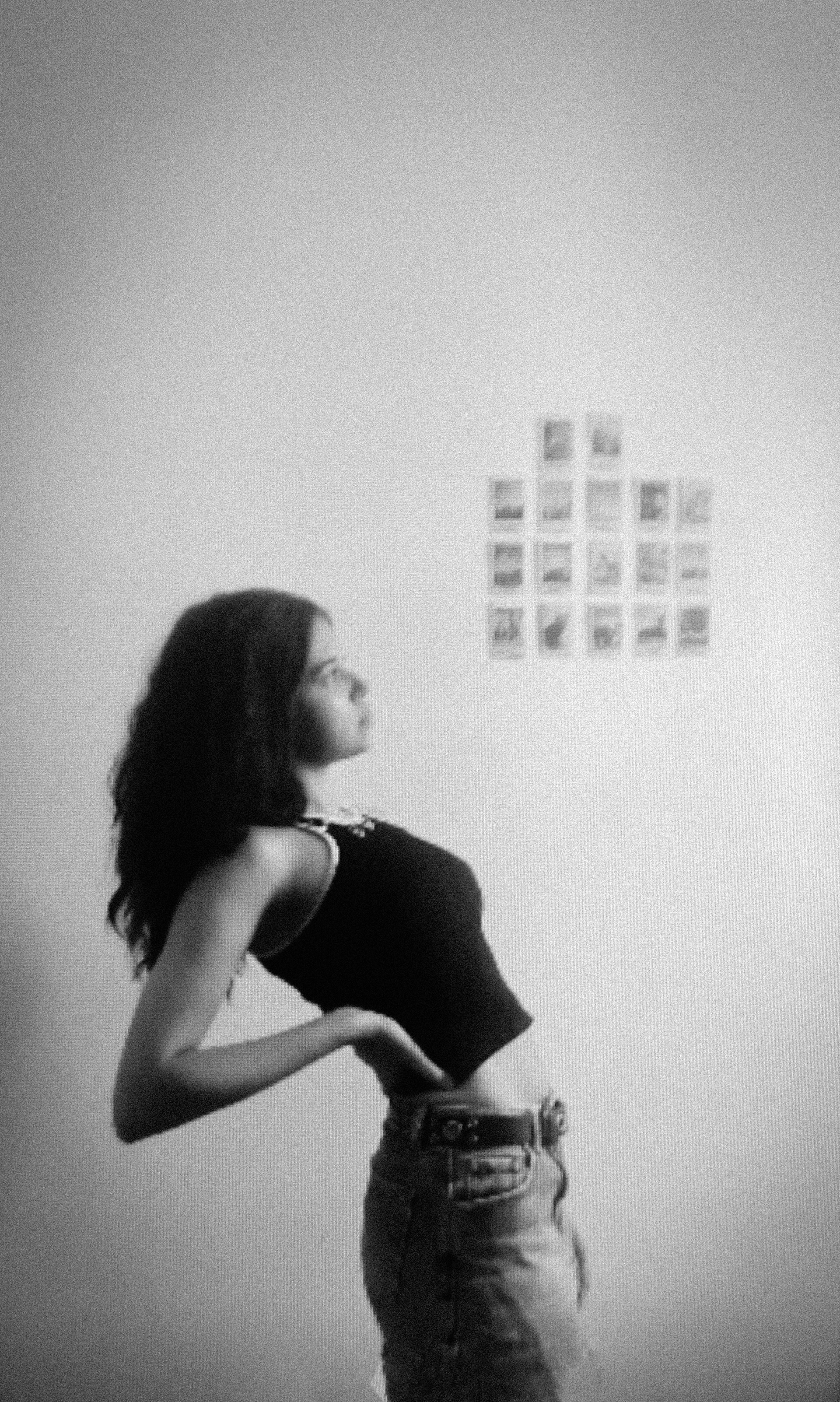
SMAG: Art is initially intimate. It’s very personal, and once you express it, it becomes something that touches everyone who experiences it. If we showed your pandemic films to 20 people, each would interpret it differently from what you intended. How does it feel to think of it that way?
AL: I feel… I don’t know. I haven’t really thought about whether people feel what I felt. I just made it, and that’s it. I like seeing how people theorize about it. Sometimes there’s no deep meaning—it’s just the result of ideas coming together.
SMAG: So it just is.
AL: Art just is. Sometimes I might have many thoughts while creating, but once it’s done, I think, “That’s it. But what does it mean? I don’t know.” And I like that. Everyone projects their interpretation. I try not to set high expectations about how others should perceive it.
I often create characters who are monsters. Most of my fiction characters are monsters or become monsters. I think, “Why are monsters always depicted as threatening?” For me, a monster is just a person. They aren’t entirely good or entirely evil. We live with nuances, and that’s okay. Sometimes you might be a monster, but recognizing it is important.
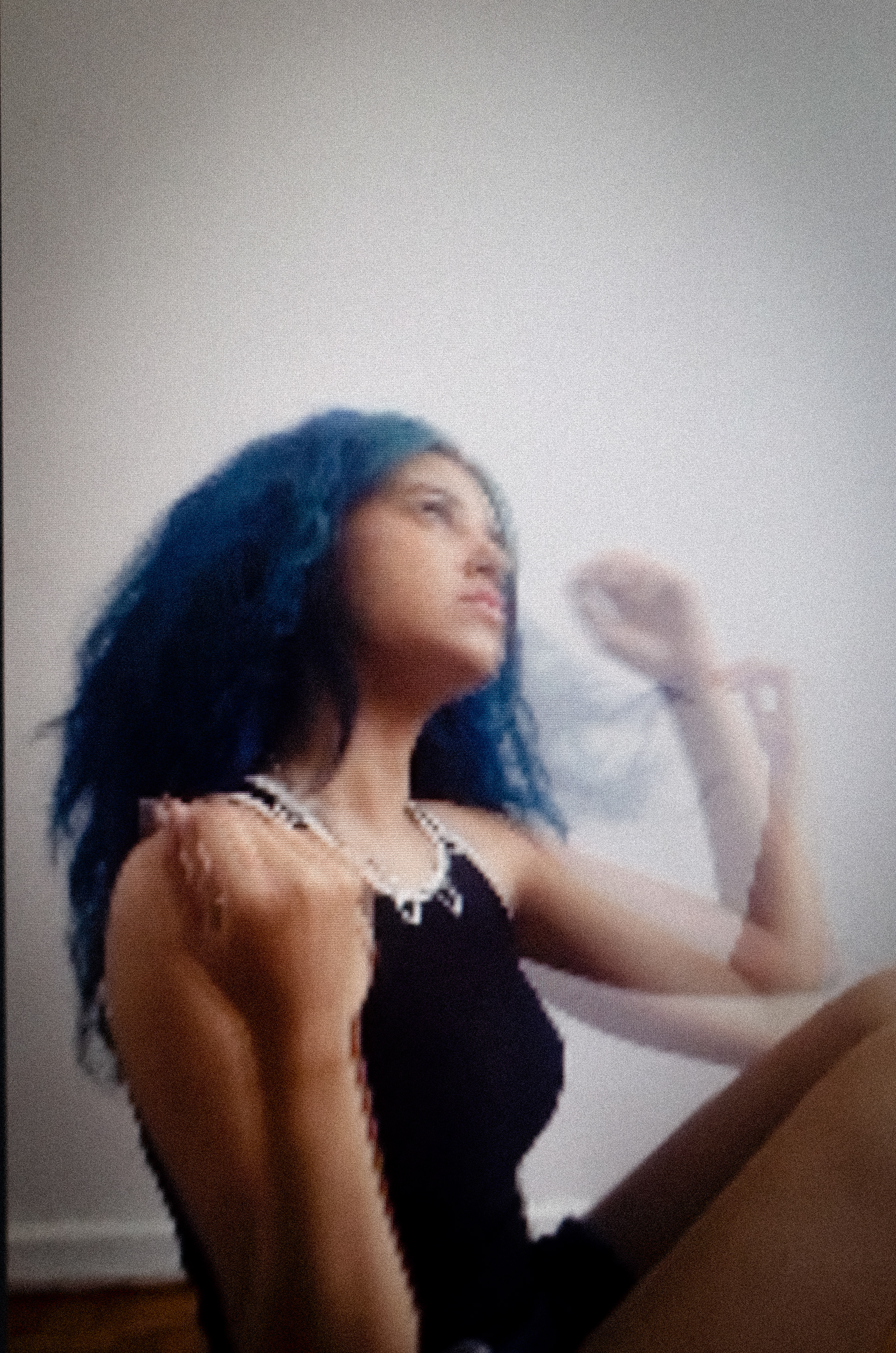
SMAG: You said something interesting. You mentioned that most characters you create are monsters, going against mainstream pop culture where villains are always scary. You depict monsters as normal people. Also, your first reaction to your diagnosis was, “Am I a monster?” And now you’ve realized that “monster” isn’t necessarily what society shows—it’s something else, and you mirror that in your art.
AL: Yes, that makes sense. Nobody is 100% anything.
SMAG: Where do you see yourself heading next?
AL: I really want to work on a bigger project, specifically fiction. I want to work with fantasy and science fiction because that’s where my studies lie. I know the niche is small; working in fiction is already challenging, and science fiction even more so. But I’m open; if an opportunity comes, I’ll be thrilled. I want to work on films or series, even if I start as an assistant to the assistant—I just want to be part of the process doing what I love.
SMAG: Do you want to stay in Brazil, or are you considering going abroad?
AL: I’d like to do an exchange or work abroad. I used to feel a strong urge to leave as a teenager. Over time, that faded a little. I’d like to do a postgraduate program abroad because Brazil doesn’t have specialized postgraduate courses in art direction.
SMAG: I hope to see your name on major Brazilian cinema projects. It’s much needed in our industry. Do you want to break barriers within Brazilian cinema or explore opportunities abroad and return?
AL: Exactly. It’s about gaining knowledge and connections. I don’t even know how I got to where I am today.
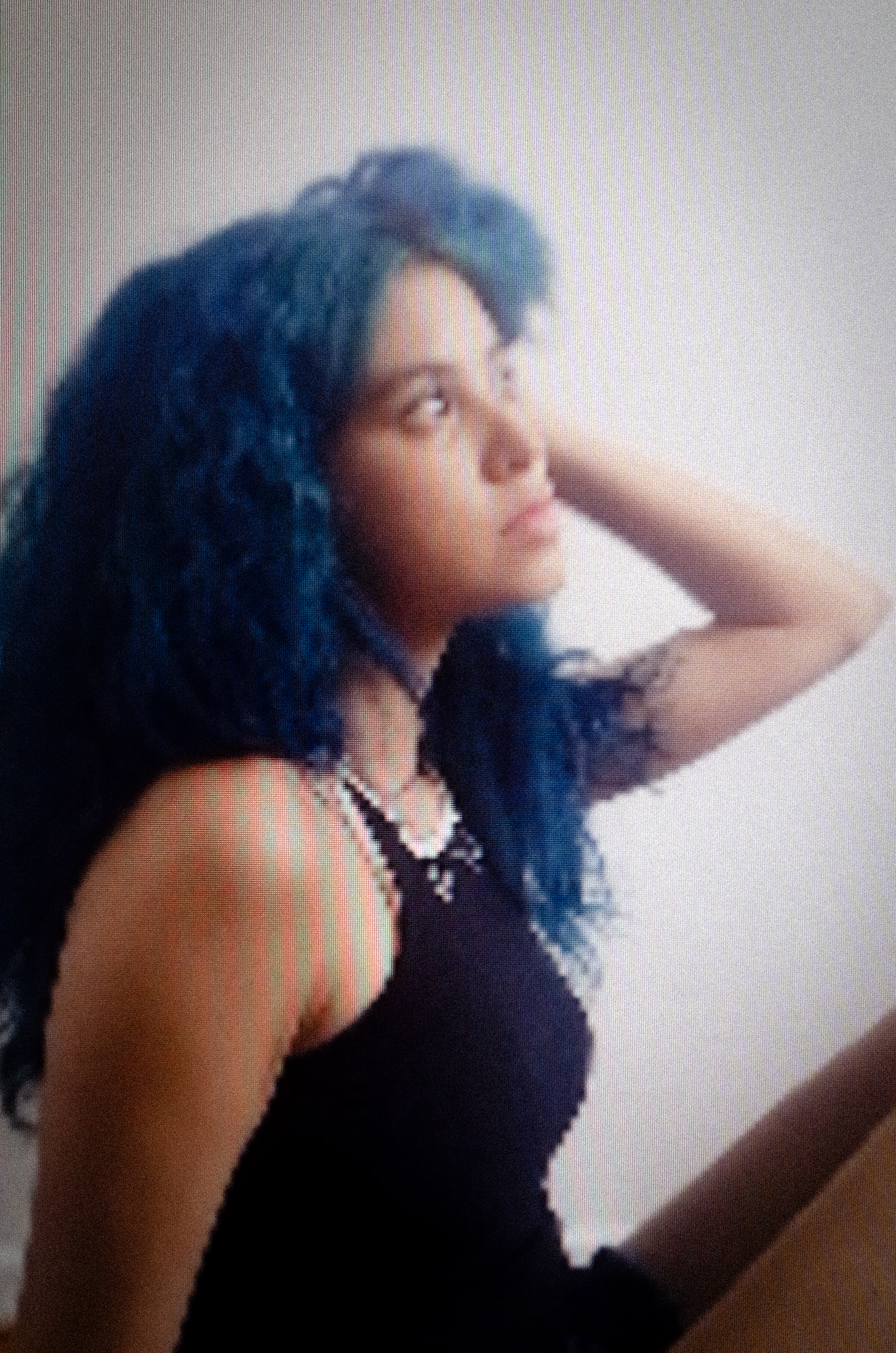
SMAG: For young people where you were at 17, what advice do you give them? Not necessarily the same dream, but for those who have a dream and lack means, what would you say?
AL: I always tell myself, even as a kid—I wrote a little poem at seven—never give up on your dreams. If you dream, believe in it. You will make it happen. Even if 300 people say you can’t, if you believe, you’ll find your way. Things are harder for those without money or connections. You have to make your own door, create your own path. Don’t wait for things to fall from the sky. Listen to no one telling you “no.” The “no” should just motivate you to pursue the “yes.”
SMAG: Keep pursuing your truth and being yourself. If you’re not where you want to be yet, persist. Wonderful. Thank you for your time!
AL: Thank you! I’m really happy for the invitation!
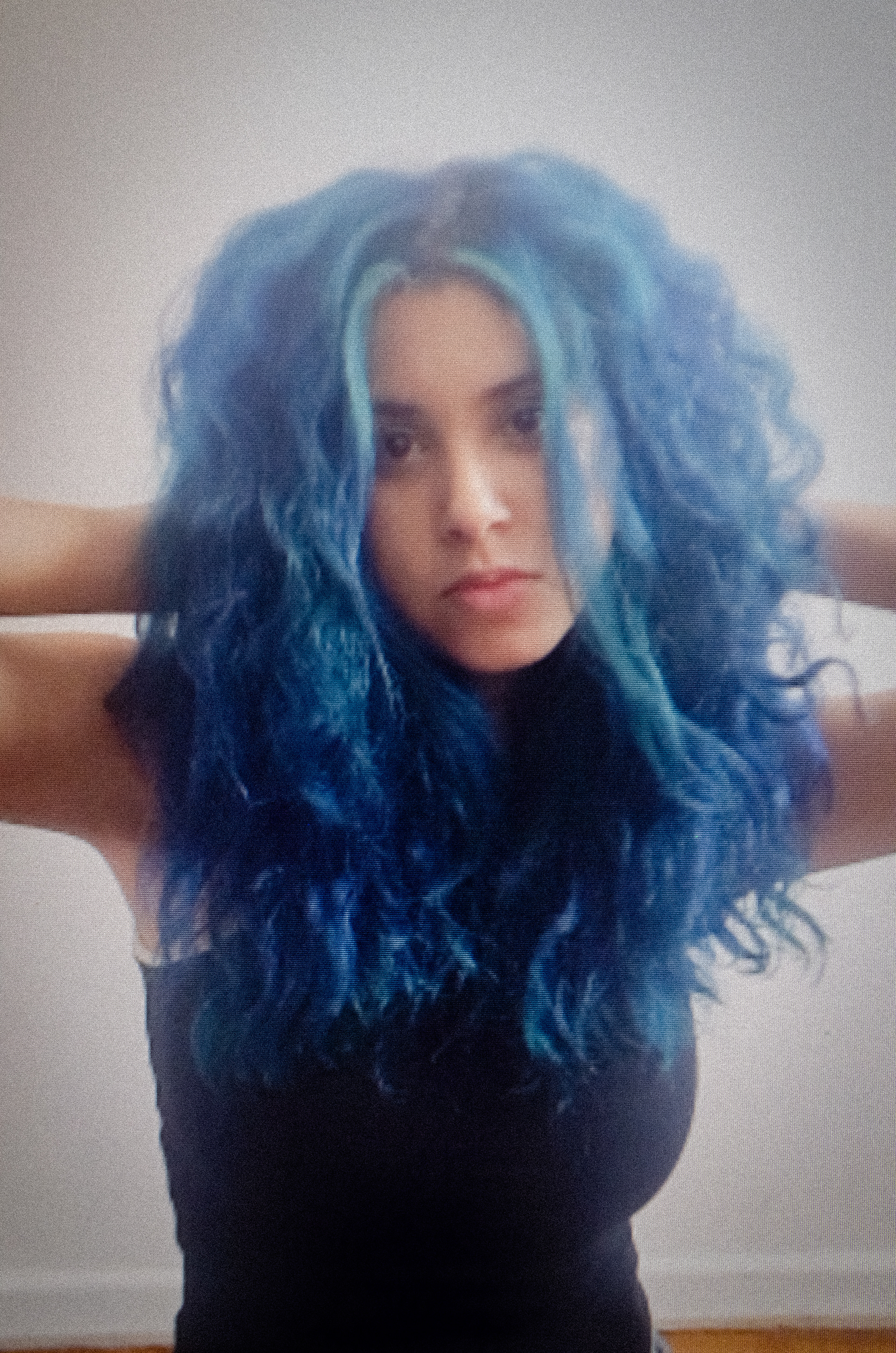
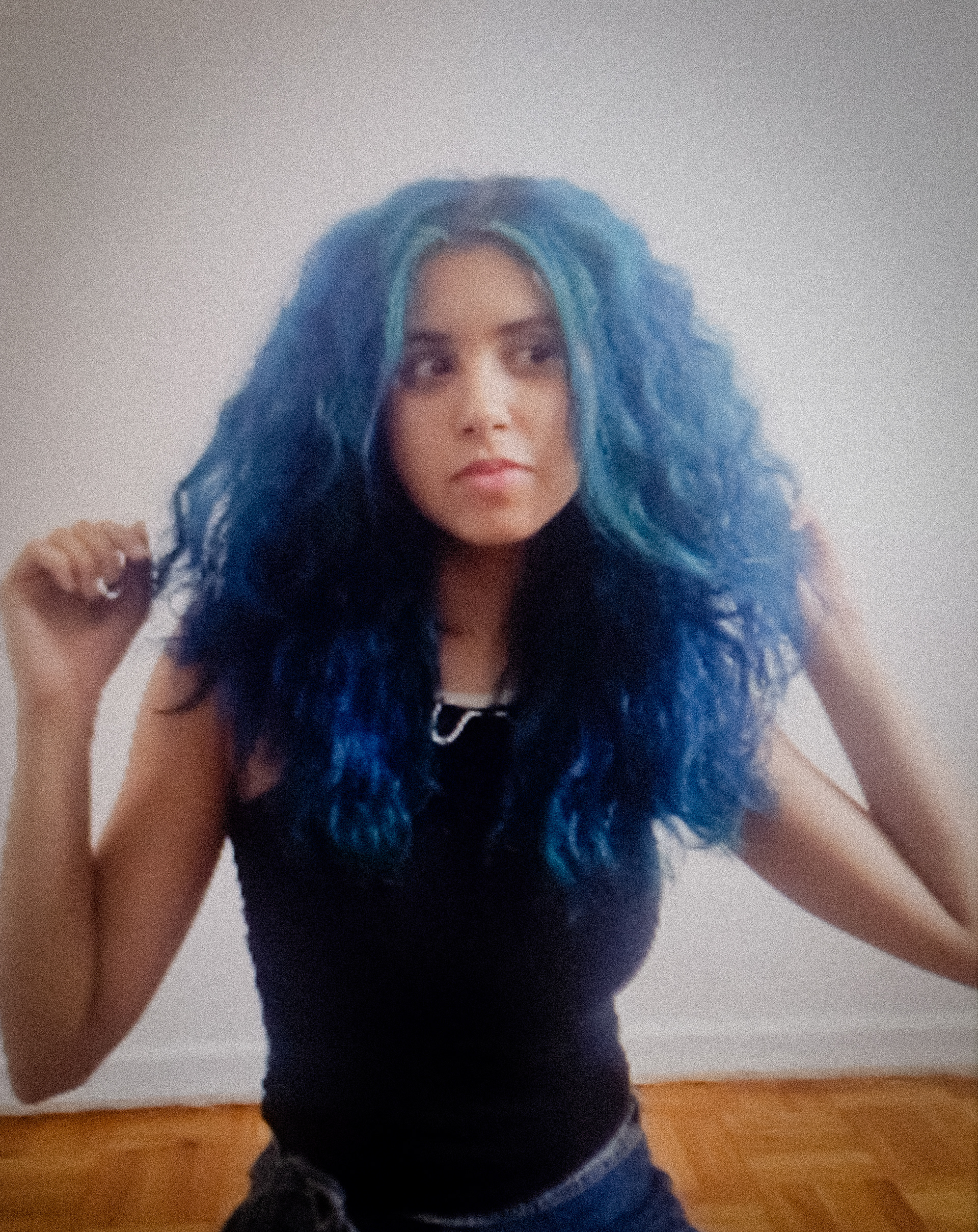

To know more about Amanda Lira:
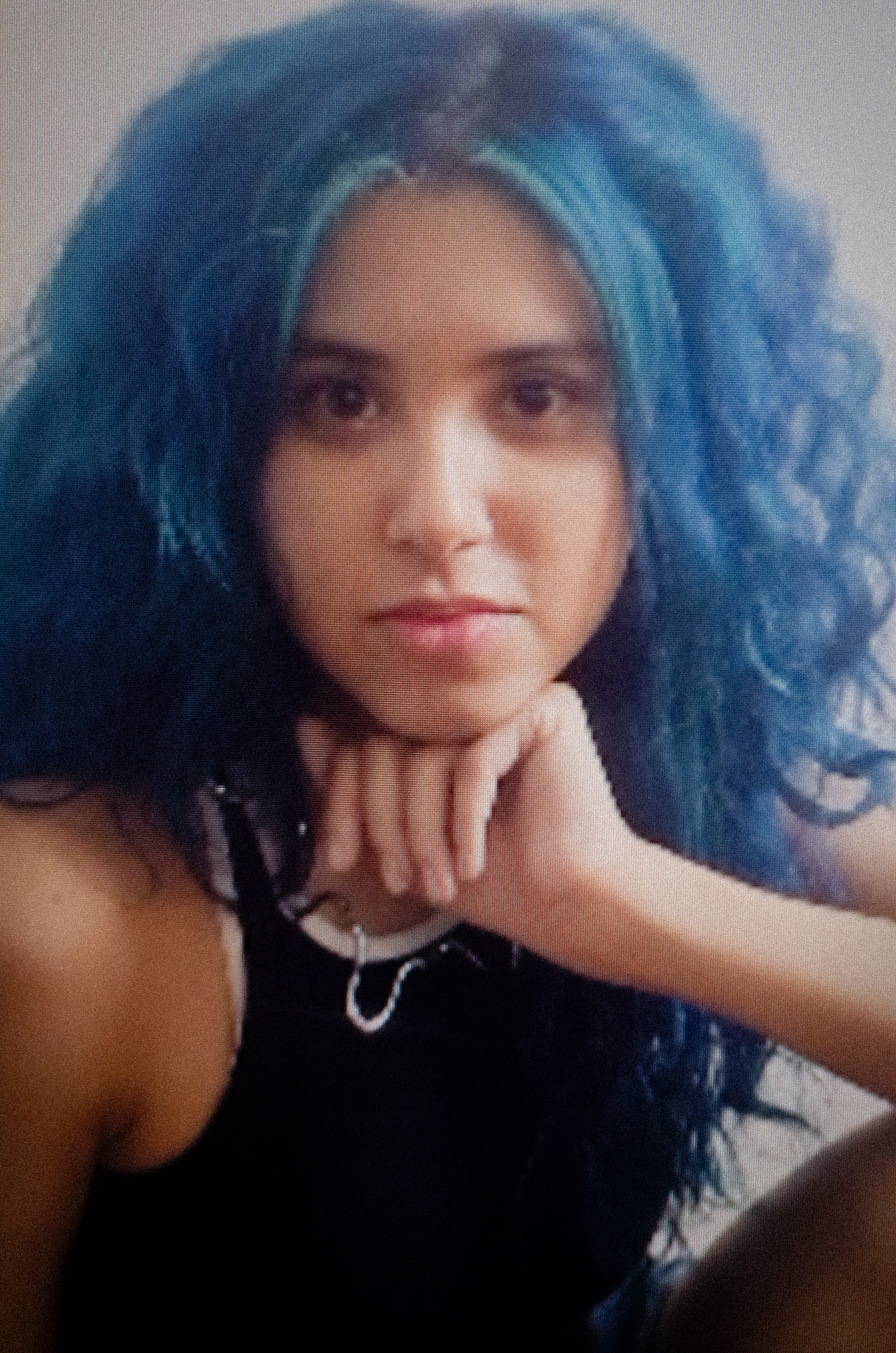
Follow Amanda on her social medias and stay tuned for everything she is coming with!